
 Español
 Français


There are no more items in your cart


Si bajamos el precio antes del 30, te devolvemos la diferencia. Ver condiciones
For Pentax cameras with autofocus (AF)


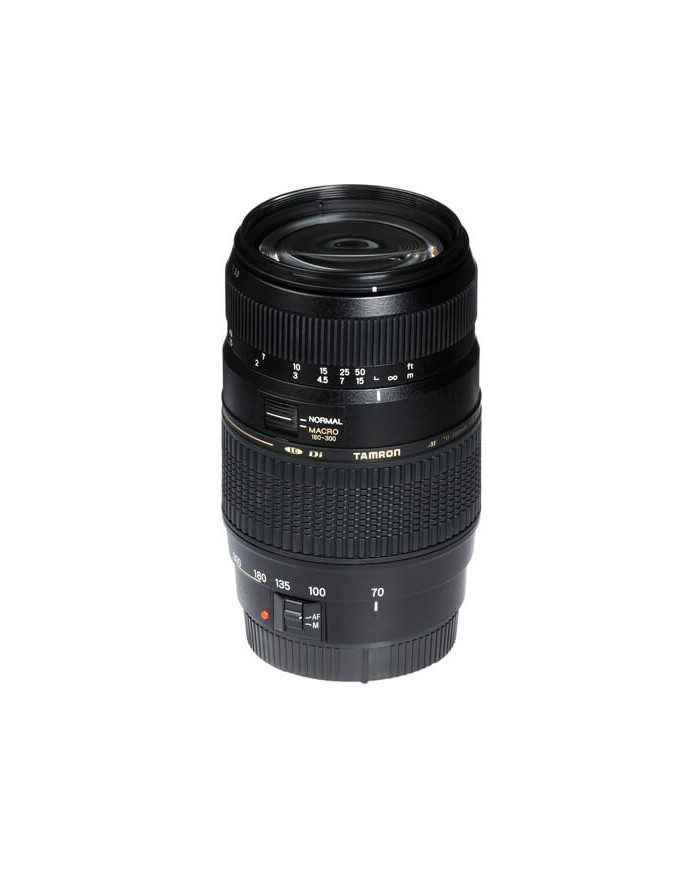
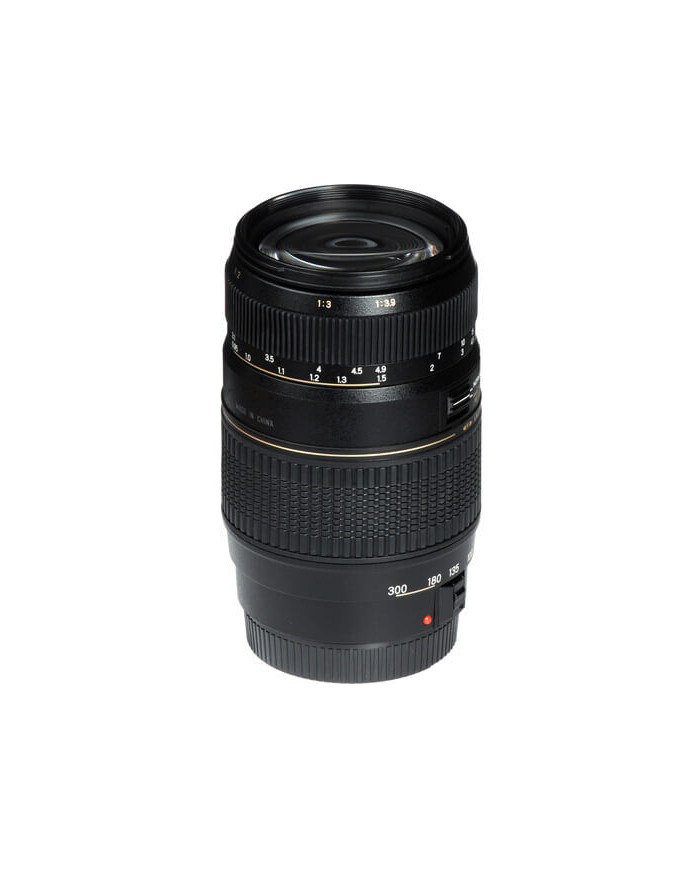
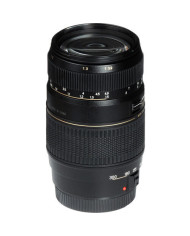
The Tamron AF 70-300 mm f/4-5.6 Di LD Macro is a high-quality compact super telephoto zoom that covers the telephoto range from 70 mm to 300 mm, with a maximum magnification ratio of 1:2 at the telephoto end.
This lens offers maximum ease of handling and portability outdoors thanks to its light weight and mechanical operation. Ideal for outdoor photography, making the most of the actual 300 mm telephoto and offering diversity in portraits with focal lengths ranging from 70 mm to 135 mm.
Di (Digitally Integrated Design) is the designation that Tamron applies to lenses with optical systems designed to meet the performance characteristics of digital SLR cameras.
Digitally Integrated is the designation that Tamron applies to lenses with optical systems designed to meet the performance characteristics of digital SLR cameras. By employing "Internal Surface Coatings" and multi-layer coating technology on common elements, ghost images and flares caused by reflections that occur when light enters through the front element are minimized, as well as reflections caused by the sensors themselves.
By activating a macro switch in the focal length range of 180 mm to 300 mm, access to the macro range is granted for photographing subjects at a distance of up to 95 cm (37.4") away. In the macro range, the telephoto effect can be utilized with a maximum magnification ratio of up to 1:2. Additionally, since the focal length in the macro range spans from 180 mm to 300 mm, the zoom also allows for composition adjustments.
LD glass elements reduce various aberrations and minimize light attenuation at the corners.