
 Español
 Français


There are no more items in your cart


Si bajamos el precio antes del 30, te devolvemos la diferencia. Ver condiciones
Partially stacked CMOS sensor, 24.5 MP
EXPEED 7 image processor
N-RAW 6K 60p, ProRes RAW 6K 30p
4K 120p slow-motion video, Full HD 240p
Shooting up to 20 fps in RAW and 60 fps in JPEG
5760k-dot EVF with no blackout
493-point AF, AI-based subject detection
3.2" 4-axis tilting touchscreen LCD
CFexpress Type B and SD memory card slots
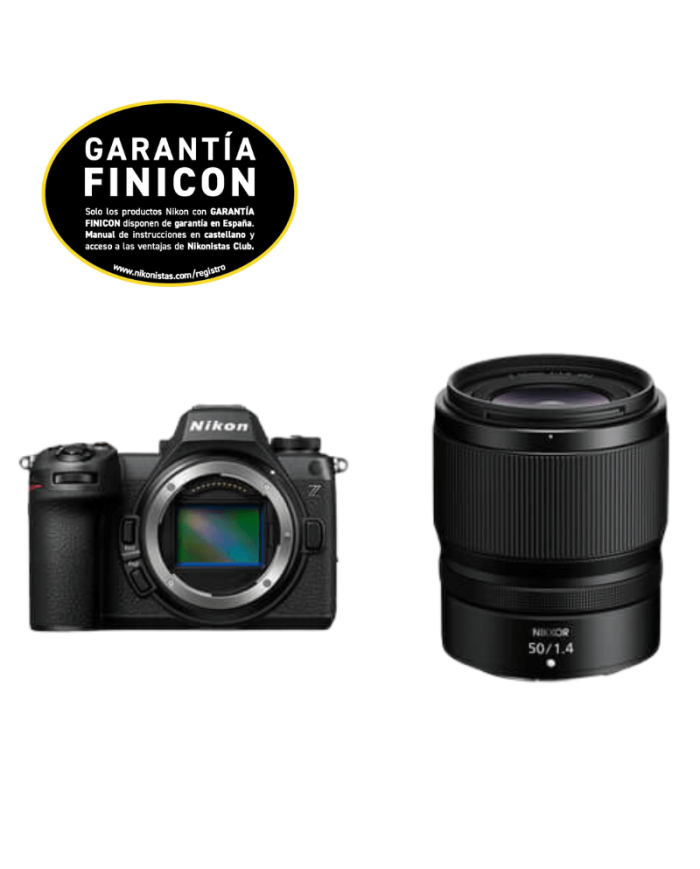
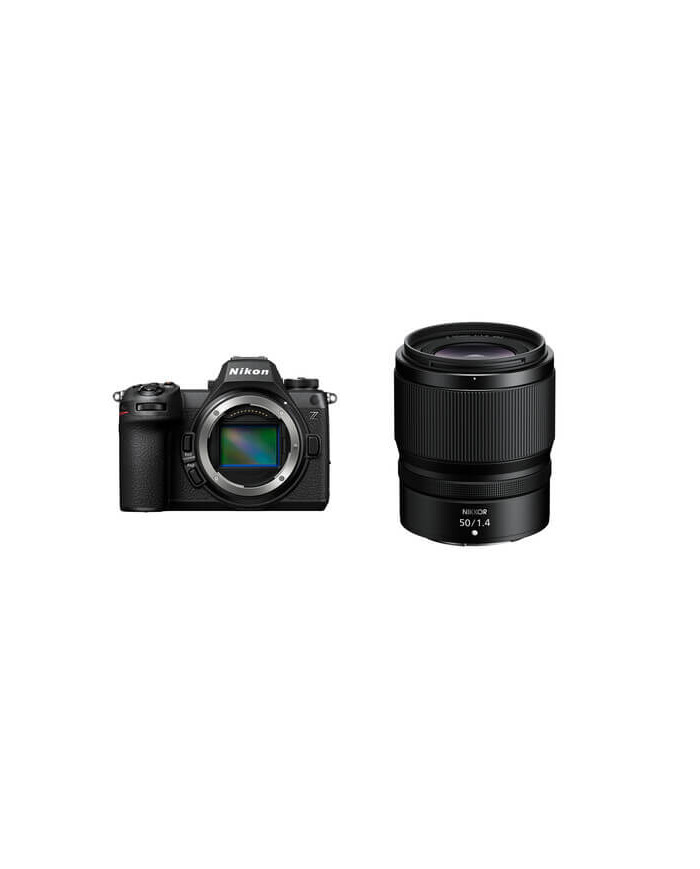
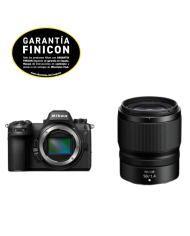
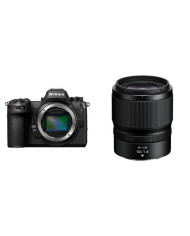
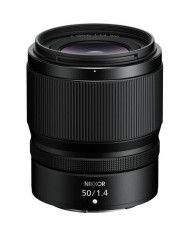
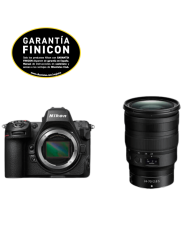
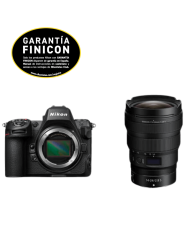
NIKKOR Z 50 mm f/1.4 lens


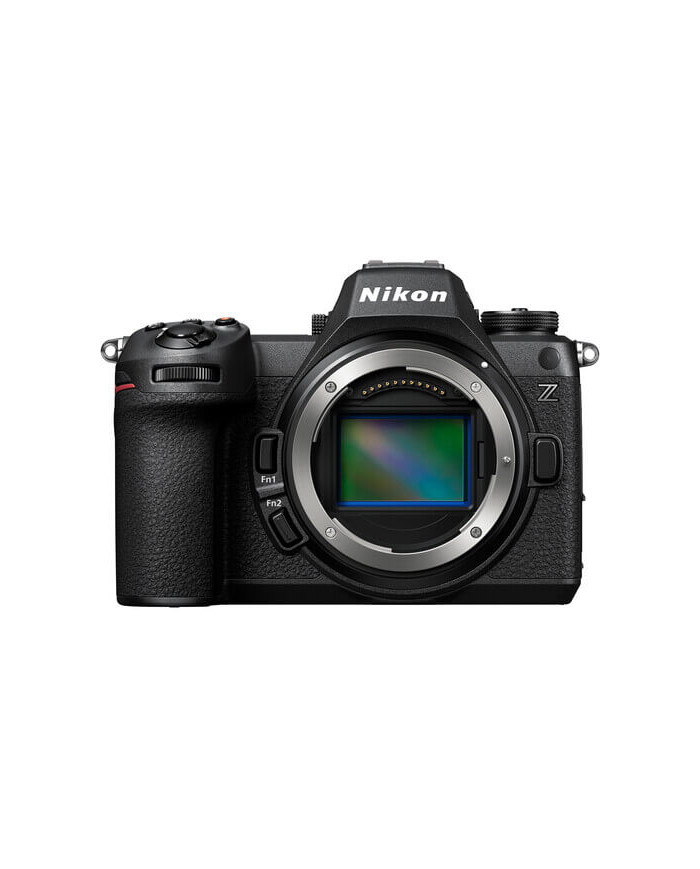
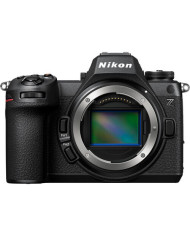
With a new and inspired partially stacked sensor design, the Nikon Z6 III mirrorless camera incorporates numerous high-end upgrades for this mid-range camera, including faster and more accurate autofocus, professional-grade internal 6K RAW video, pre-capture of up to 120 fps and a smooth, bright and colourful viewfinder. Together, these improvements make this mirrorless camera the ideal choice for aspiring professionals looking for a versatile and affordable camera.
The Z6 III is the first Nikon camera to feature a partially stacked sensor design for faster scanning and readout than its predecessor, as well as reducing the rolling shutter effect. In addition, this sensor design enables many of the camera's high-end features, such as faster autofocus, a smoother EVF experience, faster continuous shooting speeds and higher frame rates when recording video.
The sensor is complemented by the EXPEED 7 processing engine, found in the high-end Z8 and Z9 mirrorless cameras, which delivers speeds roughly 10 times faster than the Z6II. This engine, in combination with the partially stacked sensor design, enables impressively fast AF speeds, burst shooting, a large buffer capacity, smooth video performance and agile, versatile handling. Maximum continuous shooting speeds of 20 fps when shooting RAW, up to 60 fps when shooting full-frame JPEG, and 120 fps when shooting JPEG with DX crop. All speeds support maximum AF/AE performance.
Capable of buffering over 1000 burst images when using the electronic shutter, allowing image sequences to be recorded for approximately 50 seconds in a row.
Pre-capture at up to 120 fps makes it easier to capture decisive moments, as it records burst frames up to one second before the shutter is fired. When this feature is enabled, burst shooting starts when the shutter button is pressed halfway, and the buffer retains up to 4 seconds of frames after the shutter is pressed fully.
The electronic shutter offers a maximum shutter speed of 1/16,000 s for working in the brightest conditions with wider apertures. The partially stacked sensor design reduces rolling shutter distortion, so fast-moving subjects such as a golf club, tennis racket or baseball bat are not distorted when working at shutter speeds of up to 1/16,000 s.
AF calculations are performed at 120 fps to keep up with fast continuous shooting speeds.
The Z6 III's flagship EXPEED 7 processor, which covers the entire sensor area, uses Nikon's 299-point phase-detection AF system to achieve fast and accurate focusing. This system benefits from the high-speed communication of the Z interface, together with the sensor speed, which allows AF readouts of up to 120 fps.
This focusing system also allows you to work in low light with Starlight mode, which enables focusing down to -10 EV, very beneficial for astrophotography, concerts and other night photography applications. With ISO 64000, the highest native ISO on a Z-series camera, autofocus is also useful for working in difficult lighting conditions. The backlit AF function uses separate AF pixels on the sensor, which allows these areas to be intentionally overexposed for greater focusing accuracy without affecting the actual exposure of the recorded image.
A focus mode staple of DSLRs, which debuted on mirrorless cameras with the Z9, the Z6 III also includes 3D tracking AF which, together with subject detection, locks onto fast and erratically moving subjects, both parallel and perpendicular to the camera. In addition, it has three dynamic-area AF modes with different focus area sizes to capture a wide variety of moving subjects.
Using legacy algorithms and the deep learning technology of the Z9, including the sophisticated subject detection, the Z6 III can recognise a variety of subjects, from humans to animals, aircraft and bicycles. When working with Auto-area AF, these subjects will be automatically detected, focused on and tracked to ensure sharp focus as they move through the frame.
Eye-detection AF in particular has been optimised to improve accuracy and precise recognition of eyes in the scene, and it can also be used together with custom Wide-area AF for subjects of different shapes and sizes.
Ideal for portraits, the Z6 III enhances the inherent capabilities of the partially stacked sensor with a range of processing tools and shooting features to improve portraits:
Portrait mode processes portraits to achieve natural-textured skin and a rounded feel.
Rich Tone Portrait mode produces more vivid results by capturing details of the subject's complexion and avoiding loss of detail in the highlights.
Flat Monochrome mode features smooth gradations from highlights to shadows, producing soft monochrome portraits.
Deep Tone Monochrome mode selects slightly darker tones in the shadow to midtone range, with brightness that increases rapidly as tones progress from midtones to highlights.
Skin smoothing can be used on up to three subjects per shot and slightly softens the skin for a more pleasing texture, while preserving the essential sharpness in the eyes and hair.
Manual white balance control is more intuitive when making adjustments, and auto white balance has also been optimised for human subjects.
Get the most out of Nikon's portrait modes by combining the Z6 III with one of the Nikon Z portrait lenses, such as the 50 mm f/1.2 S, 85 mm f/1.2 S or 135 mm f/1.8 S Plena.
Produce ultra-high-resolution images of up to approximately 96 megapixels thanks to pixel-shift technology. By slightly shifting the image sensor between shots (selectable from 4 to 32 shots per image, where more shots mean more detail), users can merge the images in NX Studio after shooting to create a single image with improved resolution, texture and colour. This shooting method also reduces noise, moiré and false colours. Pixel-shift photography benefits archival, landscape, architecture, fine art, macro and film scanning applications, and achieves its best results when working with a tripod.
Equally capable of recording video, the Z6 III comes close to the Z9 in this respect, with a range of resolutions and frame rates available up to 6K.
Thanks to full pixel readout, video can be recorded at 6K60p with continuous shooting, while 4K and Full HD recording is also possible at a range of frame rates, including full-frame 4K recording up to 120p and Full HD recording at 240p for slow-motion playback.
Internal 12-bit N-RAW recording supports internal RAW recording up to 6K 60p, along with internal ProRES RAW HQ. RAW recording offers greater tonal and colour latitude, and can improve dynamic range, benefiting colour grading needs and post-production flexibility. N-RAW is Nikon's proprietary RAW recording format offering impressively small file sizes compared to other RAW formats, plus the ability to create MP4 proxies for more efficient previewing or transfer.
N-RAW recording is available up to 6K at 60p, and ProRES RAW is also available up to 6K at 30p.
Internal recording also supports 10-bit colour and 4:2:2 sampling in the ProRES 422 HQ codec, and 4:2:0 sampling in the H.265 codec at 5.4K 30p and 5.4K 60p, respectively.
The combination of the Z6 III's sensor and processor has allowed Nikon to equip it with the brightest electronic viewfinder of any of its cameras. At 4000 nits, it is 33 % brighter than the Z9, the flagship camera, allowing subject detail to be seen even in intense sunlight. Its resolution of 5,760,000 dots is also a first for a Nikon electronic viewfinder, making autofocus easier by displaying the subject recognition frame. This viewfinder also features a high frame rate (FPS) function, which increases its refresh rate to 120 fps for a smoother and more realistic display. Finally, the Z6 III's electronic viewfinder also offers a higher dynamic range and supports the DCI-P3 colour gamut (the first of its kind on a mirrorless camera) for a near-realistic image when taking the photo.
The Z6 III features an exclusive 3.2-inch, 2.1 million dot touch-sensitive LCD screen with a 170° variable angle, making it easier to work from high and low angles, whether shooting in landscape or portrait orientation. This makes it easier to view from various positions, and the user interface orientation also changes depending on how the camera is held.
Two card slots (one CFexpress Type B and one SD UHS-II) allow files to be saved flexibly. The CFx slot is ideal for data-intensive applications such as 6K recording and high-speed burst shooting, while the SD slot maintains compatibility with the popular storage format. In addition, the CFx B slot is also compatible with XQD memory cards.
Combine the Z6 III with the optional MB-N14 Power Battery Pack grip for better ergonomics when shooting vertically and up to 1.9 times longer battery life.
Its smaller, lighter design makes the Z6 III an ideal candidate for mounting on a rig or for use on a gimbal for video recording.
Its high-quality waterproof sealing protects against dust and moisture for safe use in extreme climates.
In-body Vibration Reduction, Nikon's image stabilisation system, now supports Synchro VR to achieve up to 8 stops of camera shake compensation when used with selected Z lenses.
With professional build quality to match, the Z6 III is equipped with a range of connectivity options to suit different workflow needs:
Another Nikon first: the Z6 III offers direct cloud connectivity with Nikon Imaging Cloud for file transfer and access to Nikon Picture Controls for creative colour grading.
Syncs timecode with Atmos Ultrasync Blue, connecting multiple Z6 III camera bodies for multi-camera production setups.
Full-size HDMI port for video output to an external recorder or monitor.
3.5 mm headphone jack and a new line-in port for built-in audio monitoring and high-quality audio input directly into the camera.
One USB-C port that supports file transfer and tethering, as well as power supply and battery charging.
The USB-C communication terminal supports USB-LAN connectivity when combined with an optional USB-C to Ethernet adapter. This enables a wired 1000BASE-T LAN connection for transferring files via FTP. The 10-pin port offers a wide range of accessories and remote connectivity. Bluetooth and Wi-Fi (2.4 and 5 GHz) enable wireless file transfer and remote camera control via a mobile device, and work together with the NX Mobile Air app for file management.
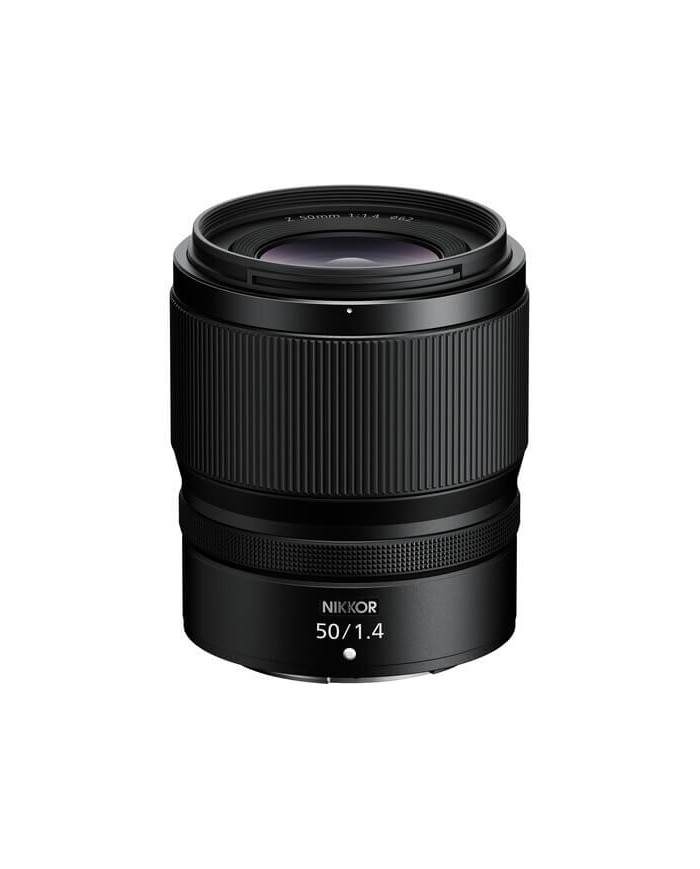
With a focal length proven for photographic success, the Nikon NIKKOR Z 50 mm f/1.4 lens gives users a natural perspective that effectively captures portraits, landscapes, snapshots and much more. Its bright maximum aperture of f/1.4 makes it effortless to focus attention on the subject, blurring backgrounds and producing smooth, defined bokeh. This prime lens also excels in low-light situations, allowing you to keep ISO low and image quality high. Powered by an STM stepping motor, operating noise is suppressed and autofocus is rapid. Its versatility and portability make this standard prime an excellent companion for any Z-series mirrorless camera.
Easy to carry and ideal for handheld shooting, with a short length of 8.9 cm and a weight of 450 g.
Ideal for use with a gimbal thanks to its lightweight design, which minimally shifts its centre of gravity.
Linear manual focus with compatible Nikon Z-series mirrorless cameras
Minimum focusing distance of 37.5 cm for detailed close-ups of the subject
Sealed design to resist damage caused by dust and water droplets
Optical construction of ten elements in seven groups, including one aspherical element to reduce chromatic aberrations
Equivalent to 75 mm on APS-C camera systems