
 Español
 Français


There are no more items in your cart



Si bajamos el precio antes del 30, te devolvemos la diferencia. Ver condiciones
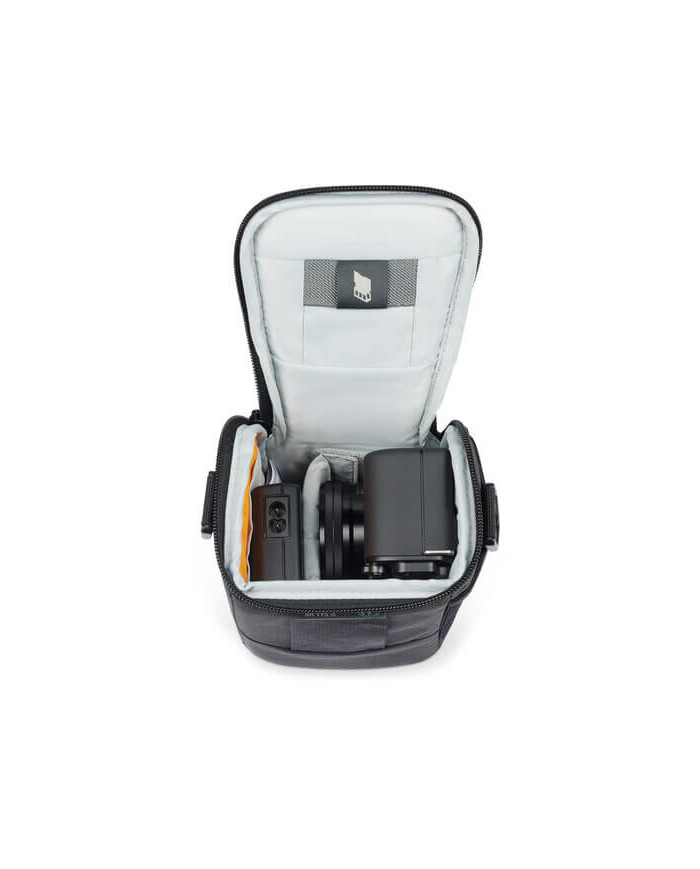
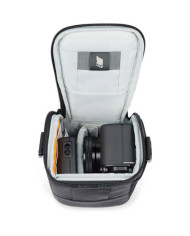
Capacity for a mirrorless or bridge camera
Capacity for small camera accessories
Interior pocket for memory card
Expandable mesh exterior pocket
Durable YKK zippers
Integrated belt loop
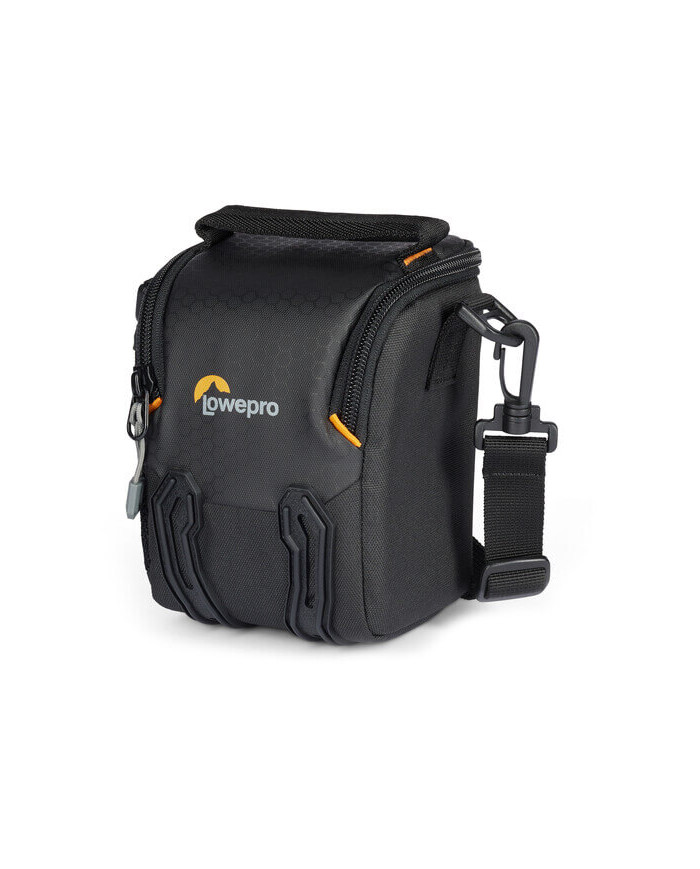
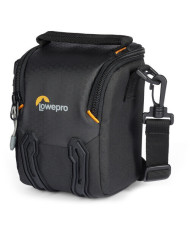
Adjustable/removable shoulder strap
Recycled outer fabric


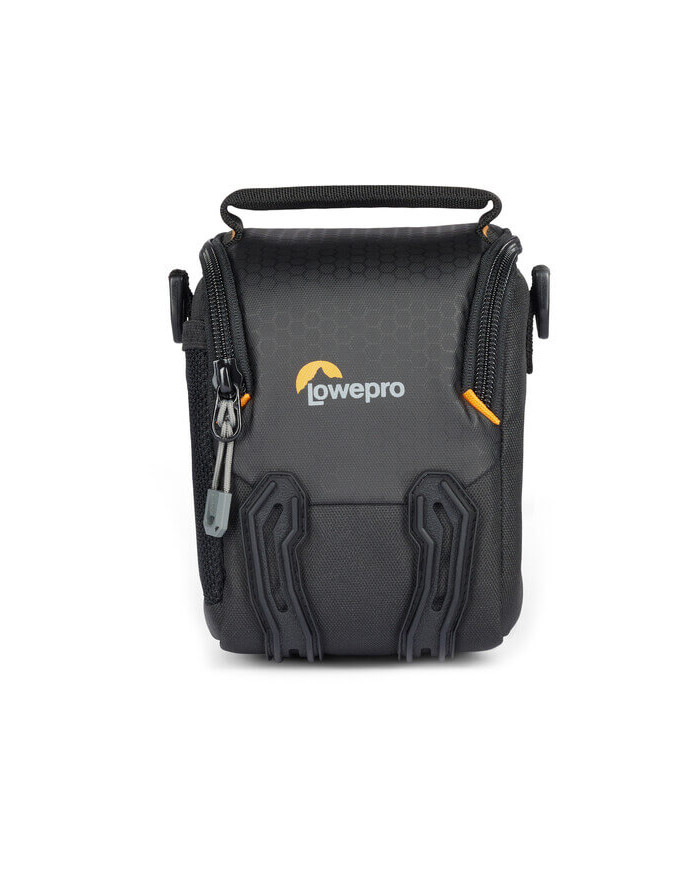
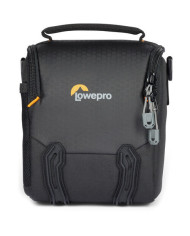
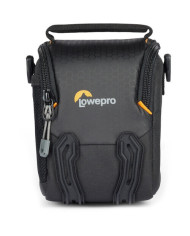
The black Adventura SH 115 III shoulder bag from Lowepro is ideal for all your photographic adventures. It features a lightweight yet durable design with multiple practical functions, such as multiple accessory pockets, an adjustable and removable shoulder strap, and molded PVC-free protectors to prevent scratches. The outer fabric is coated with a PU laminate, providing waterproofing and weather protection. The bag accommodates a compact mirrorless camera or a bridge camera, such as a Sony a6600 with a small lens, or an action camera. It is perfect for both beginner and professional photographers.
The bag meets Lowepro's environmental efforts, using up to 88% Green Line fabrics. Lowepro has achieved this by using recycled fabrics and solution-dyed materials, which saves water and reduces GHG emissions. This is measured according to the GRI 301-2 standard, comparing the percentage of recycled fiber used to the total weight of fiber used.
The popular Adventura collection from Lowepro is produced using the Green Line process, meaning it is made with recycled fabric and solution-dyed materials. The Green Line is represented by a loading bar indicating the percentage of recycled and solution-dyed fabrics used in the manufacturing of bags.
The new Lowepro bags are made with mass-dyed black fabrics and recycled linings/webbing, to reduce water consumption and CO2 emissions.
Mass dyeing, also known as solution dyeing or spun dyeing, is a production technique for dyeing synthetic fibers such as acrylic, nylon, and polyester. With this technique, pigments are added to the liquid polymer solution before extruding the synthetic fibers. Unlike traditional wet dyeing, where the yarn is woven or knitted into a fabric that is then dyed in its entirety, mass dyeing is the opposite. Traditional wet dyeing has caused problems for both the environment and human health. Wet processing uses large amounts of chemicals and dyes, wasting water and releasing hazardous chemicals into the environment. The use of mass-dyed fabrics reduces greenhouse gas emissions, water consumption, and the use of chemicals.